Published April 25, 2026 · 7 min read
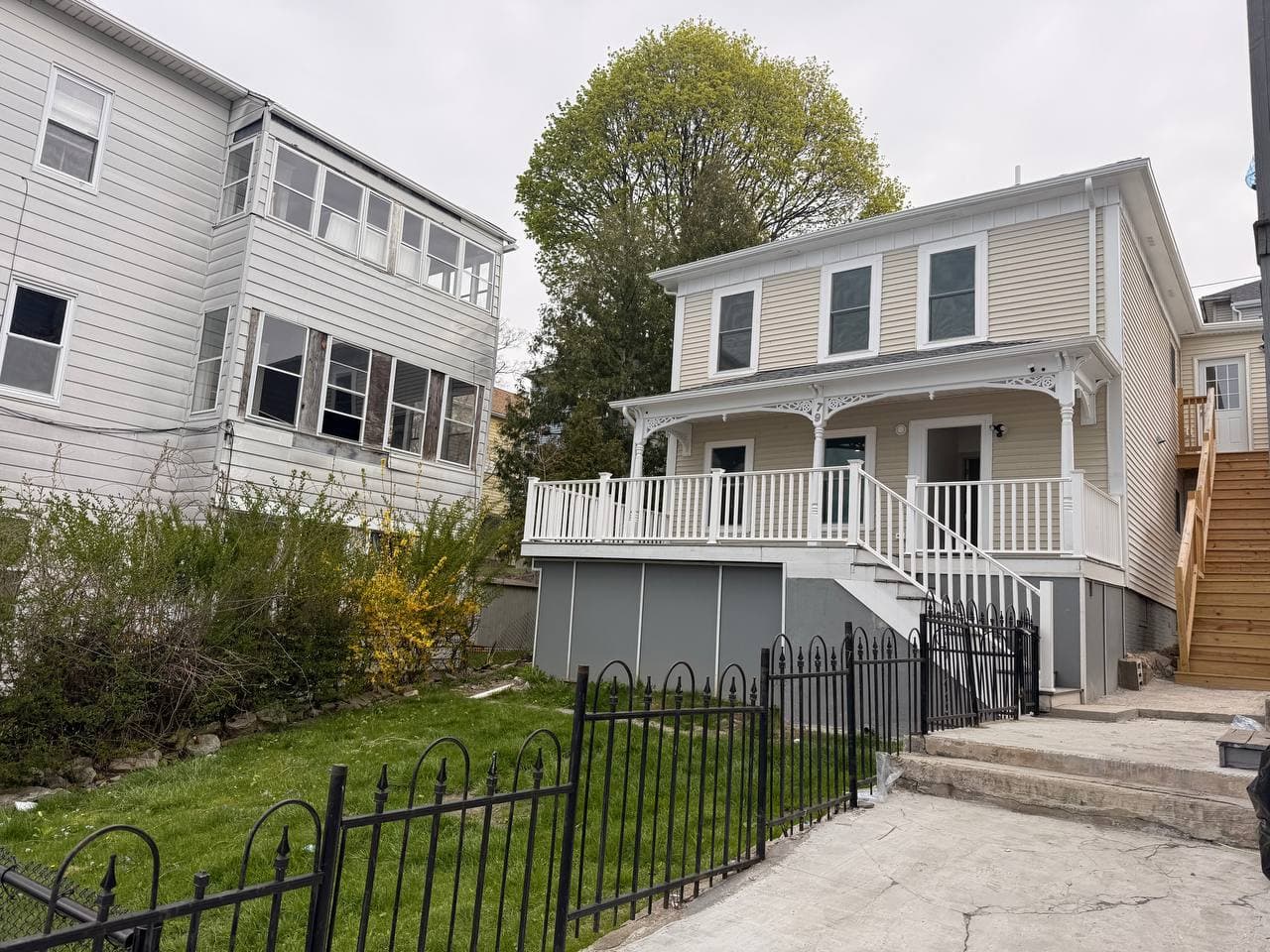
Most agents look at a property and tell you what it is. The work I’m proudest of is when the seller and I look at a property and decide what it can be. That conversation took over a year to play out on 79 Fox.
The starting point
Over a year ago, an active Worcester investor came to me with a question: what do I do with 79 Fox?
He owned the combined parcel containing both 79 and 83 Fox St as a single legal lot. 79 was a tired single-family. 83 had its own potential. The lot was under-utilized relative to its zoning capacity.
The default move would have been simple. Renovate 79, sell it, take the gain, walk away. That’s the play 95% of agents would have run.
We sat down and ran the alternative.
The four-step play
Step 1: Subdivide.
Worcester’s zoning code allowed it. We separated 83 from 79 into two distinct legal lots. My client now owns two separately sellable, separately financeable assets instead of one combined parcel.
Subdivision is the move most owner-investors don’t consider because it’s perceived as a paperwork burden. It can be. But the strategic value — turning one financing event into two, one liquidity event into two, one buyer pool into two — almost always justifies the cost.
Step 2: Convert.
Same zoning code, used to convert 79 Fox from single-family to two-family. Different asset class, different buyer pool, higher income profile. A renovated two-family at this Worcester price point is a different product than a renovated single-family — and a more competitive one.
Two reasons the conversion math works in Worcester right now:
- Inventory dynamics. Renovated two-families under $600K are scarcer than renovated single-families. Smaller pool, sharper buyer competition.
- Buyer-pool expansion. A two-family attracts both investors and owner-occupant house-hackers (live in one unit, rent the other). That’s two distinct demand curves bidding on the same product.
Step 3: Renovate.
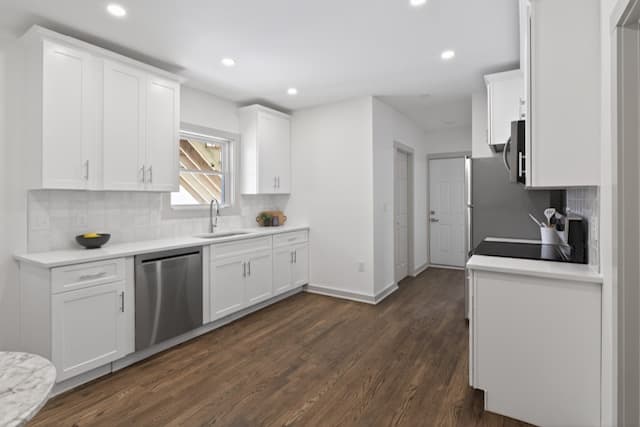
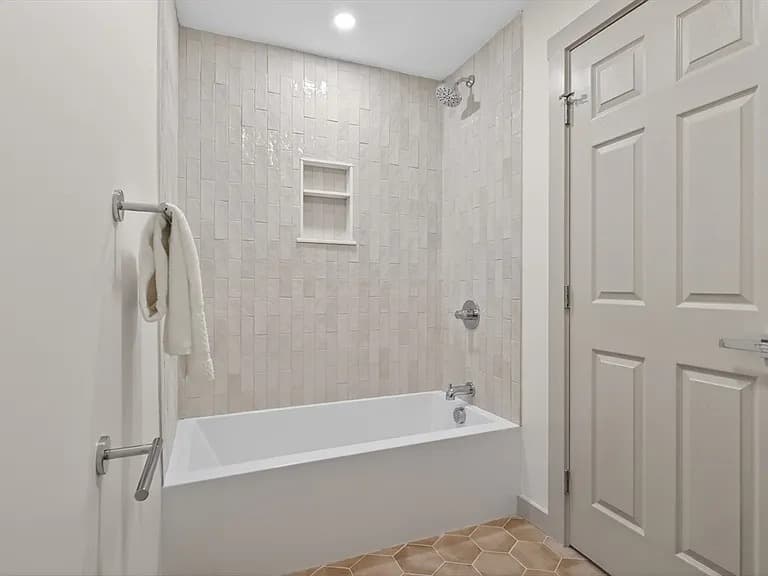
Down to the studs. New kitchens. New bathrooms. New electrical. New plumbing. Not cosmetic — full systems work.
This part matters more than it sounds. Most multi-family at this price point comes with $30K–$60K of upcoming work waiting on the next owner. Old electrical, old plumbing, kitchens halfway through their lives. Buyers know this. They underwrite it. Their offer reflects it.
By doing the systems work upfront, we positioned the asset as truly turnkey — meaning the day-one cash flow a buyer sees on this property is the actual cash flow, not a number that erodes when work starts coming due.
Step 4: List.
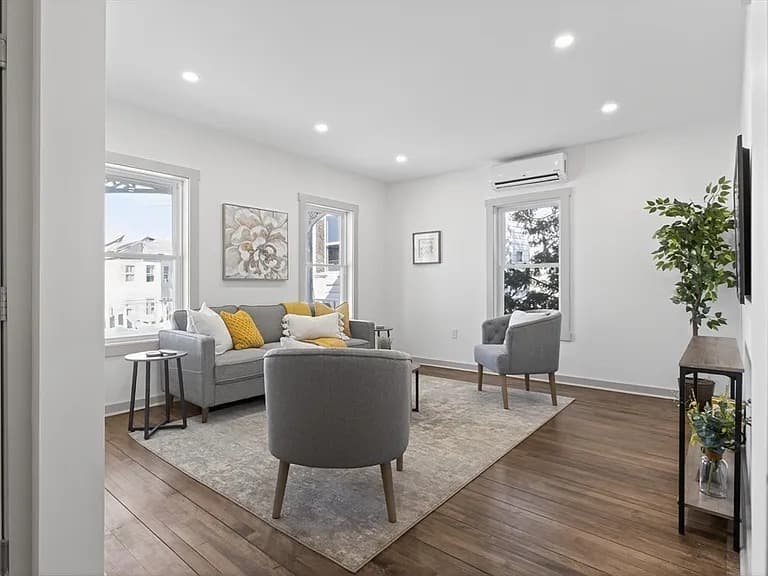
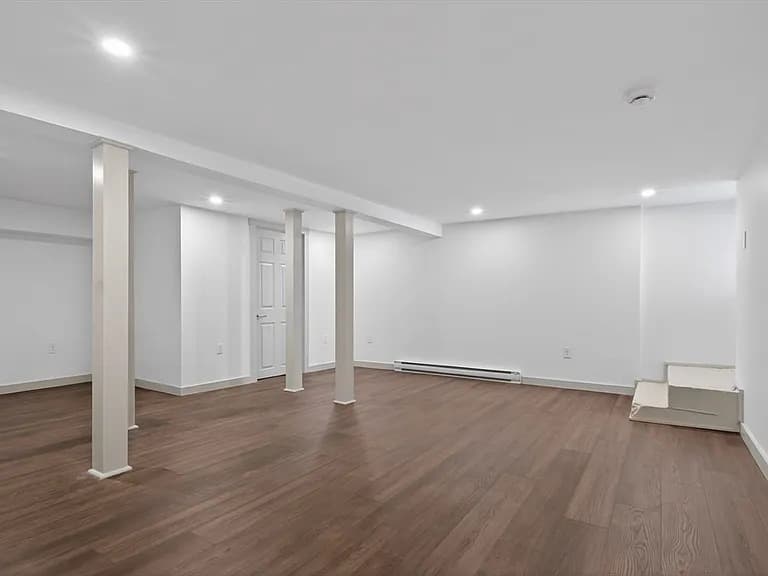
April 2026. $539,900. 4 beds, 2 baths, 2,160 sqft. Two units, both rentable, both finished.
The result
One under-utilized lot, one tired single-family, became two clean assets. The 83 Fox side stays in my client’s portfolio with its own future play. The 79 Fox side is on market now as a turnkey two-family designed for either:
- A house-hacker — live in one unit, rent the other. With Worcester rents and FHA financing, the second unit covers a meaningful portion of the monthly. Buying a home and a cash-flowing asset on the same loan.
- A portfolio investor — rent both units. No deferred CapEx. Day-one cash flow is the real number.
Why I’m sharing this
The work that creates an asset isn’t the listing photos or the open house. It’s the conversation that decides what to do with a property in the first place. That conversation took over a year to play out on Fox St. It’s the conversation that creates the asset, not just sells it.
If you own Worcester property and you’ve been wondering whether your lot, your zoning, or your asset class is correctly chosen for the next five years — that’s the conversation worth having.