Published November 24, 2025 · 6 min read
Most agents talk about a sale and tell you what the property closed at. The story I want to tell about 227 Chandler isn’t the price. It’s the buyer pool we had to engineer to get there.
The starting point
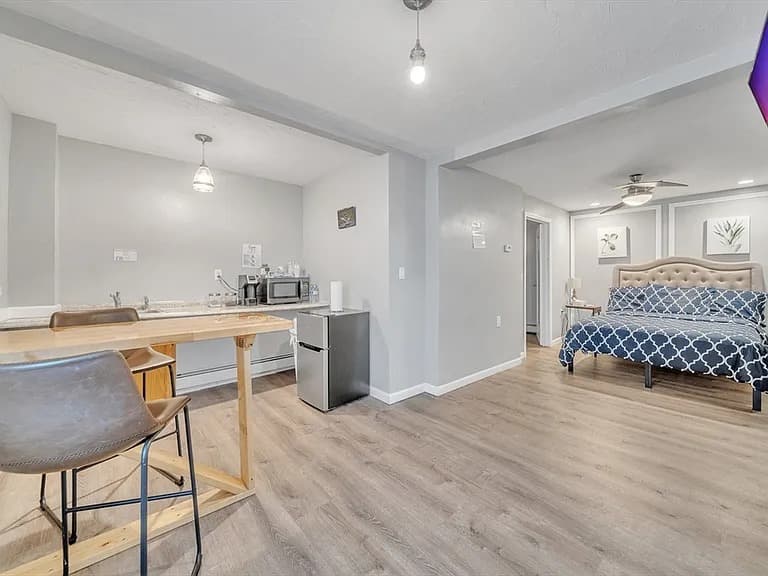
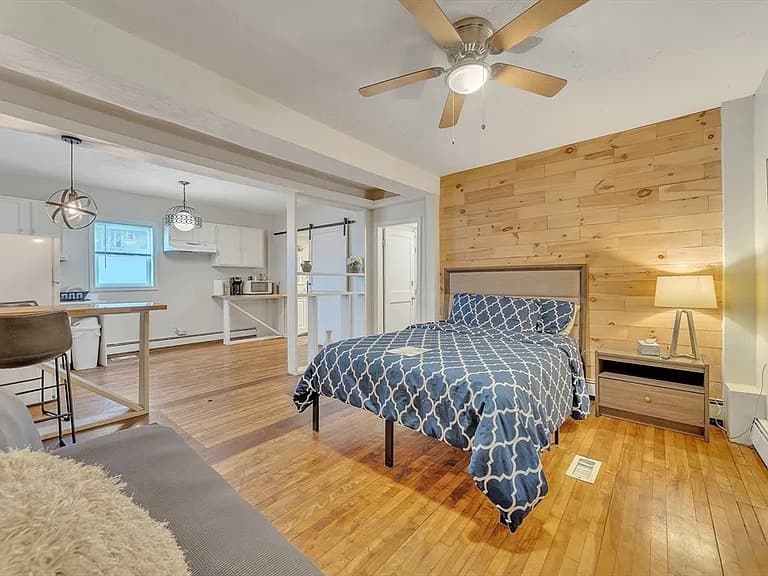
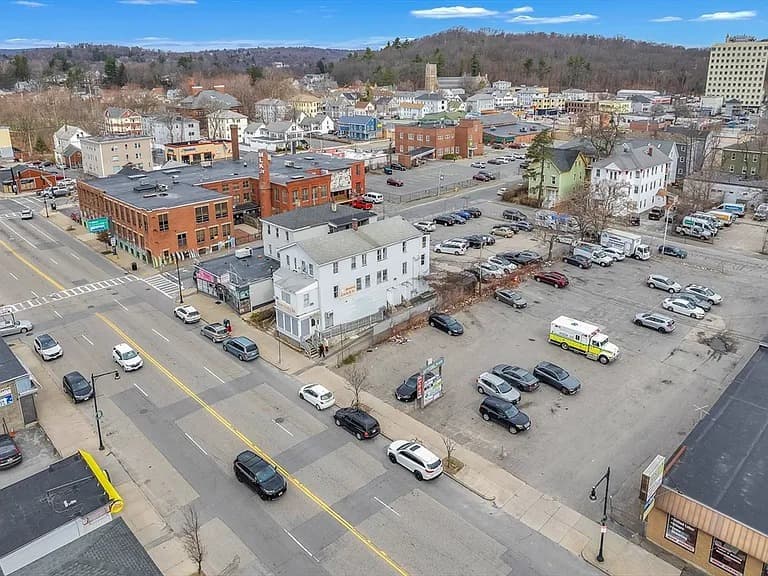
227 Chandler is a mixed-use property on Worcester’s Chandler Street commercial corridor. Commercial space on the ground floor. Residential above. The residential side wasn’t a long-term lease — my seller had built it into an active short-term rental operation. Real income, real bookings, real history.
On paper, this is an attractive asset. Mixed-use commercial corridors in walkable cities are scarce inventory. STR cash flow on a low-cost-basis Worcester property compounds fast. The seller had done the hard work of building the operation. They wanted to monetize the asset and exit at a number that reflected the value they had created.
$975,000 was that number.
The problem isn’t selling at $975K. The problem is who can buy at $975K on a property like this.
The financing matrix
Most agents would have listed and waited for the buyer to surface. Most buyers don’t surface on a property like this, because the financing options are narrow. Here’s the actual matrix:
- Conventional residential loans — out. The commercial component disqualifies the property from any 1-4 unit residential financing program.
- Standard commercial loans — most banks won’t touch a property where the income engine is short-term rental rather than a stable long-term lease. STR income reads as “unstable” in their underwriting models. They want commercial tenants on multi-year leases or residential apartments rented annually. Neither describes Chandler.
- DSCR lenders — most won’t lend on mixed-use at all, and the ones that will heavily discount the STR income side — sometimes by 30–50%. Run the math after that haircut and the loan-to-value collapses.
- SBA loans — only available to owner-occupied operating businesses. Doesn’t apply.
What’s left: cash buyers, or buyers using private capital, portfolio lenders, or specialty STR lenders who understand the income model. That’s a small pool nationally. Locally in Worcester at $975K, it’s a list you can almost write on one page.
Most agents marketing this property would get clicks, showings, and offers from buyers who couldn’t actually close. That’s the trap. The price isn’t the issue. The buyer’s capital structure is.
The work
The job on a property like this isn’t showings. It’s buyer-pool engineering.
I split the buyer market into three audiences and ran a different pitch to each:
Audience 1: Investor groups with private capital.
Small private real estate funds and family offices that allocate to alternative real estate — mixed-use, STR, value-add. Their capital structure can close without bank financing. Their underwriting accepts STR income at face value. Pitch: walk through the income statement, show the bookings history, prove the operation is real, position the corridor as the long-term play.
Audience 2: Individual cash buyers with existing STR portfolios.
Operators who already run short-term rentals elsewhere and are scaling into new markets. They don’t need to be sold on the asset class — they’re already underwriting it for themselves. Pitch: this is your scaling asset; you understand the model; here are the numbers that matter.
Audience 3: Boston operators expanding into Worcester.
Investors active in Boston STR markets where price per door has gotten unsustainable. Worcester is the next reasonable market. Pitch: Worcester is on the same Boston-Worcester rail line; here’s the price-per-door delta; here’s the demand profile.
Three audiences, three pitches, one outcome.
The result
Closed at $975,000 on November 24, 2025. Clean transaction. Buyer financing structure was solid. Seller exited at the number they had built the operation to support.
Total work behind that close: identifying who could actually buy the asset, building a separate marketing channel for each audience, and qualifying buyers on capital structure before they got to negotiations. The showings and the price moves came at the end. The buyer-pool engineering came first.
Two takeaways
If you own a mixed-use, multi-family, or short-term rental property in Central Mass.
You’ve probably been told this is “hard to sell.” Some of that is true. Most of it is a function of which agent is telling you. The asset isn’t the problem. The buyer-match is.
An agent who only knows comps and showings is going to struggle on a property like this. An agent who knows the financing matrix and the buyer pools that fit each row of that matrix is going to close. Make sure the agent you’re working with can name the third row of the financing matrix without looking it up.
If you’re building a Worcester investor portfolio.
There’s an entire asset class — small mixed-use on walkable commercial corridors with short-term rental upside — that most agents avoid because the financing is hard. That avoidance is your edge if you have the right capital structure. Cash buyers and private capital own this segment in Worcester right now because the rest of the market can’t play here.
Why I’m sharing this
Pricing a deal is the easy part. Knowing which lender will say yes, which buyer pool to call, and how to position the income story for an audience that already understands the asset class — that’s the work that closes a property like 227 Chandler at $975K instead of leaving it on market for a year.
If you own a property the conventional market struggles with, that’s the conversation worth having.