Published April 15, 2026 · 5 min read
Most agents work the buy side like the sell side — help the buyer find a clean property, write an offer, close. The agents I respect work it differently. They underwrite the dirty deals other buyers can’t.
The starting point
An investor client of mine had been watching the Merrimack Valley condo market. He didn’t want a clean deal at retail. He wanted an asset he could buy below market and hold long term.
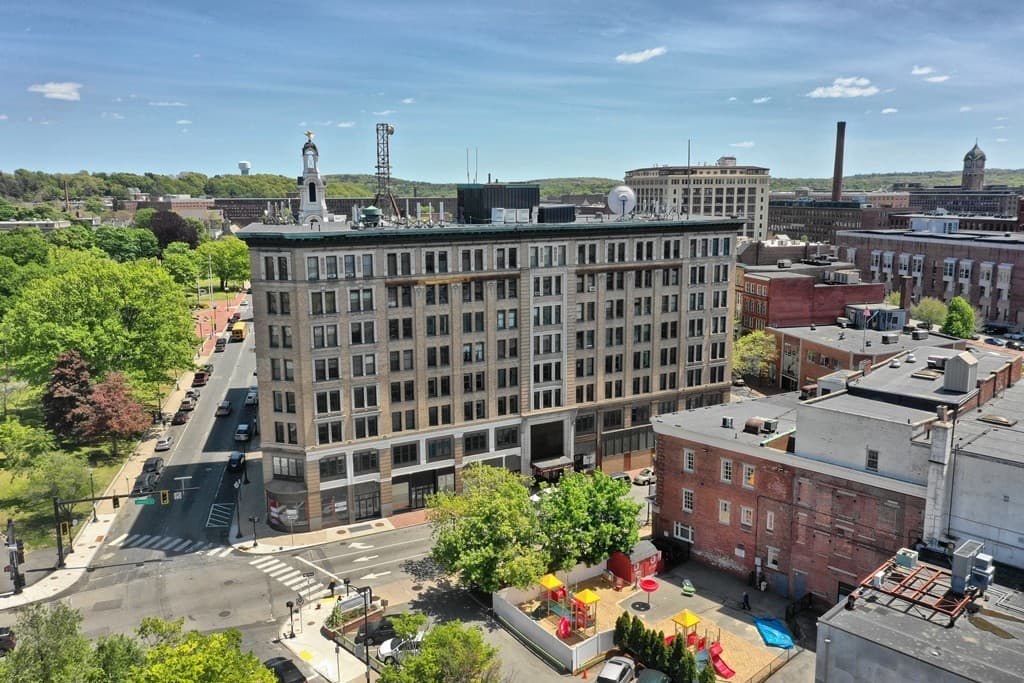
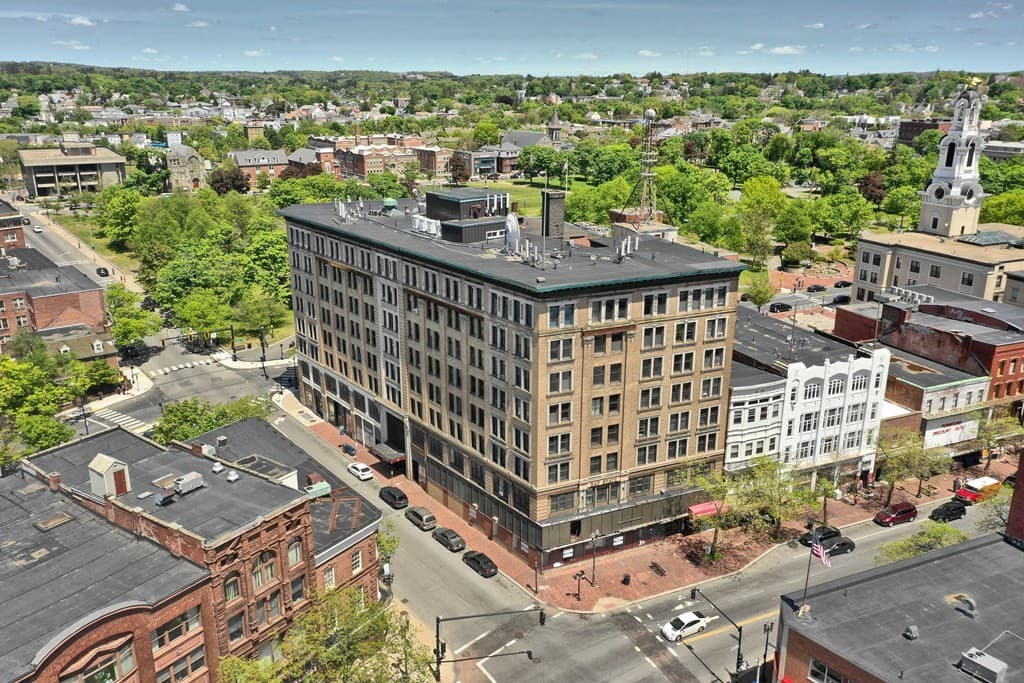
We found 111 Lawrence St #606 on MLS. A 2-bedroom, 866-square-foot condo in downtown Lawrence. The asking price made the math interesting on paper, but two facts mattered more.
The first: the listing had been sitting for 58 days. In a market where well-priced inventory moves in two weeks, fifty-eight days is a signal. Either the price is wrong or the property has friction.
The second: the unit had a tenant in possession who would need to be evicted before any buyer could take the keys. Owner-occupants with a moving timeline saw “tenant” in the listing and crossed it off. Conventional buy-and-flip investors saw the eviction clock and crossed it off. The buyer pool that remained was small.
The math
Lawrence 2-bedroom condo comps were running about $244 per square foot in early 2026. A typical 900-square-foot unit was closing around $220,000.
This unit at $184 per square foot put us about $60,000 below market on day one. Roughly 25% under.
That gap wasn’t free. It was the discount the seller was offering for the friction. The seller needed to clear the unit. The eviction was real work, real time, real risk. They priced accordingly.
The question wasn’t whether the discount existed. It was whether we were the right buyer to absorb the friction in exchange for it.
The patience play
We wrote the offer in late January. Accepted. Then the eviction process started.
Tenant evictions in Massachusetts move on the court’s timeline, not the buyer’s. Three months from offer to closing, with no real ability to accelerate it. During that window we couldn’t fully inspect the unit, plan the remodel, or generate income on the asset.
That’s the actual cost of the discount. Ninety days of capital sitting in escrow earning nothing. Most investors aren’t willing to underwrite that. Most investors don’t need to — their model assumes they can deploy capital and start working immediately.
For an investor running a long-term hold, ninety days is noise. The cost is small relative to the equity captured at closing.
We closed on April 15th, 2026. $160,000. The unit was vacant, refinished, and rent-ready.
The strategy
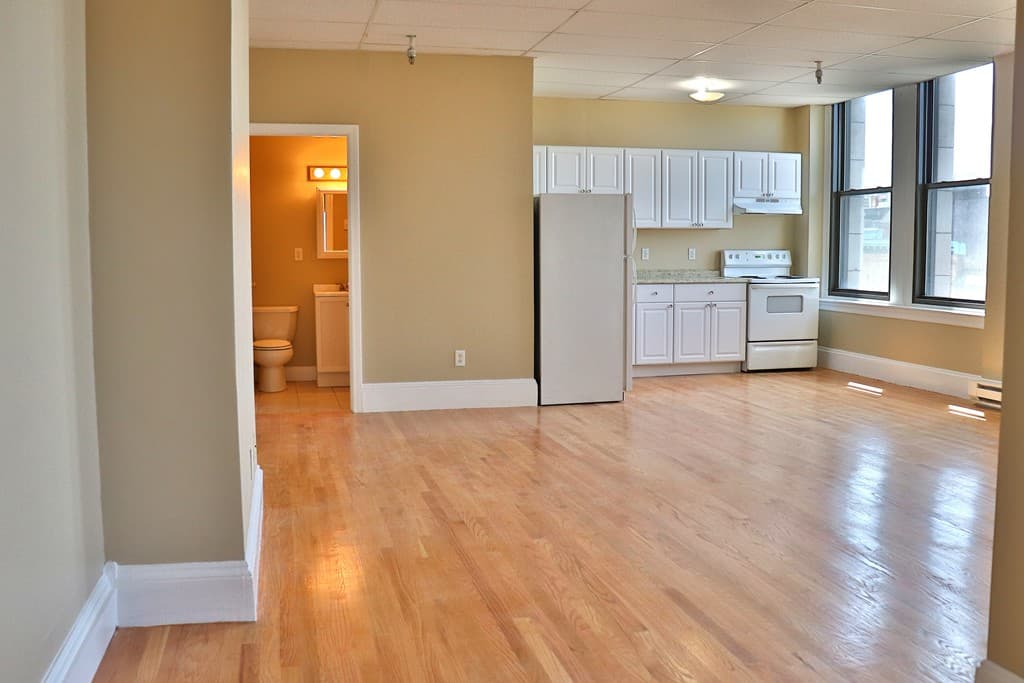
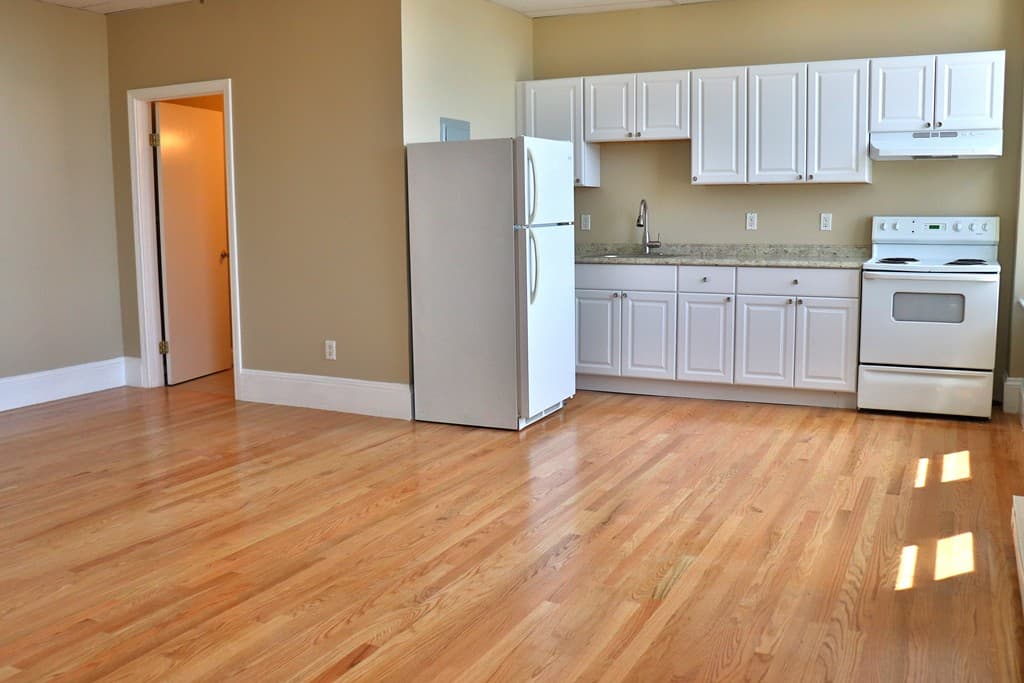
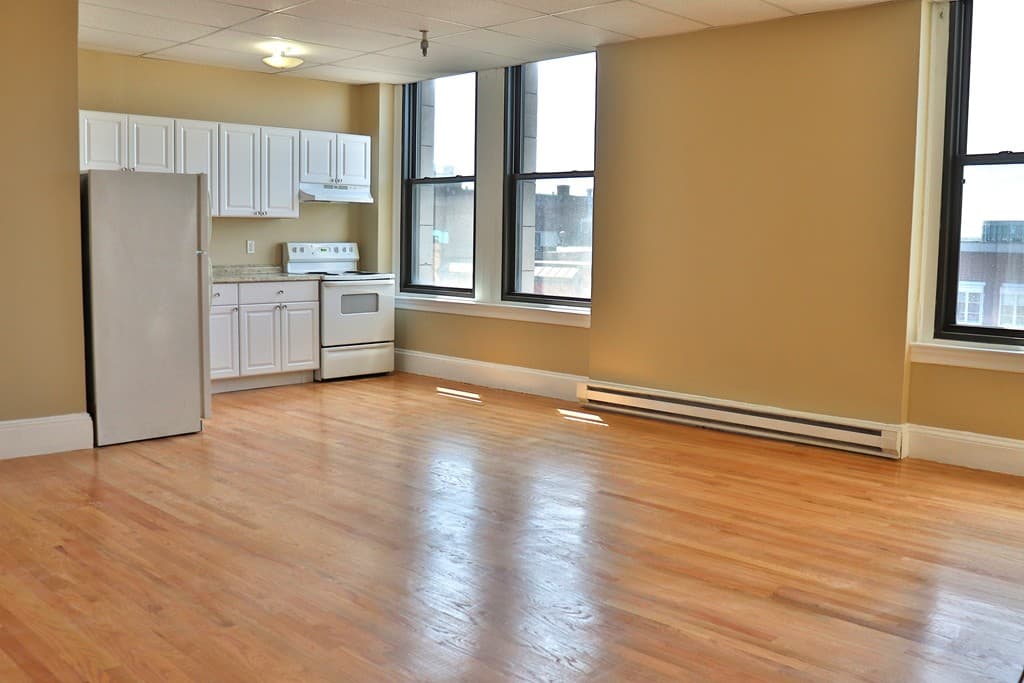
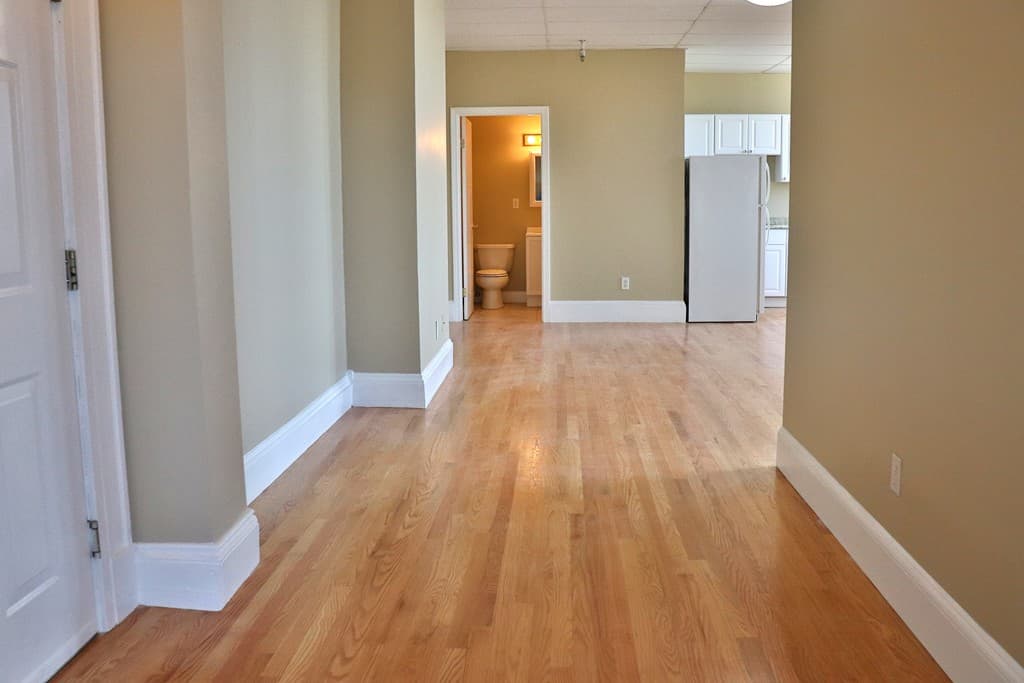
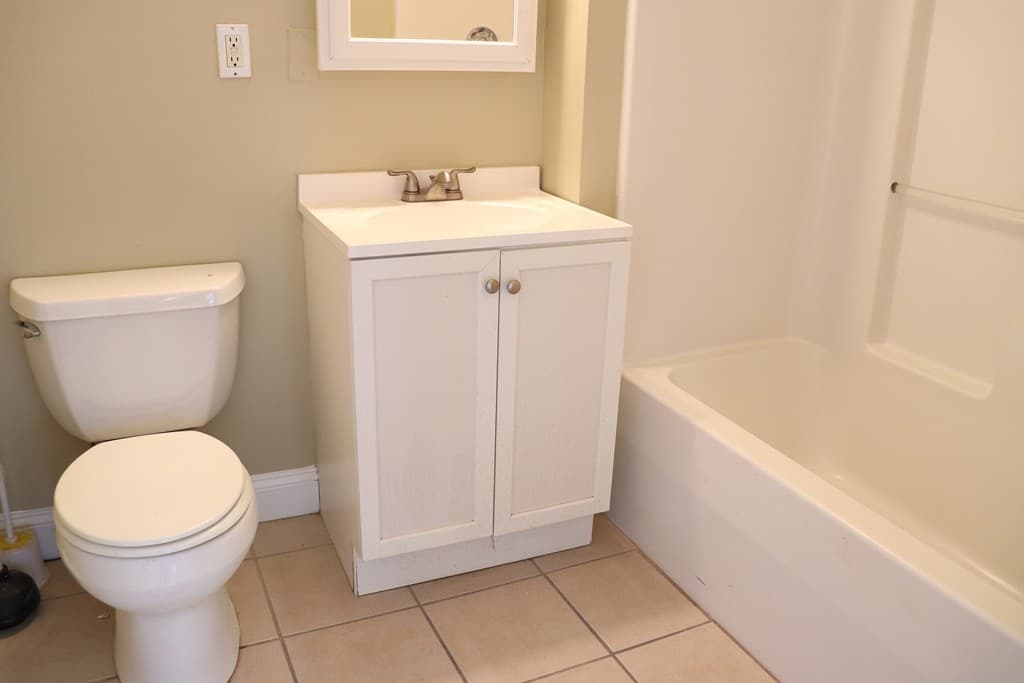
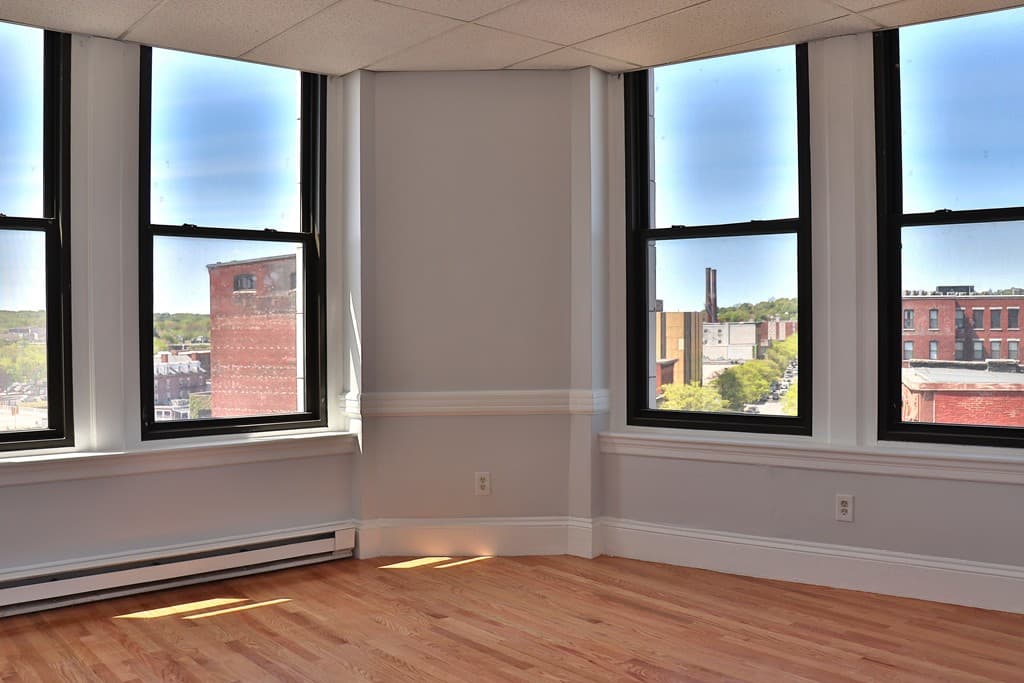
Here’s the part that surprises people who haven’t seen the property: it doesn’t look distressed. The hardwood floors are refinished. The kitchen is functional with white cabinets and working appliances. The bathroom is clean. The unit could be listed for rent tomorrow with no work and pull market rent.
So why is my client planning a full remodel?
Because the discount creates the budget. The unit is rent-ready as-is — that’s the floor on income. The remodel is upside, not a precondition. New finishes, kitchen upgrade, modernized bathroom, and the rent ceiling moves up another $300–500 per month. Across a long hold, that’s real money.
The point: when you buy below market, you don’t have to choose between income and value-add. You can stabilize the asset on day-one rent and execute the remodel on a budget the discount funded.
The lesson
The deals investors complain are gone aren’t gone. They’re sitting on MLS at 45 to 90 days on market, hidden behind problems retail buyers can’t underwrite.
- Tenant in possession. Eviction adds 2–4 months and capital cost. Discount: usually 10–25% under market.
- Probate sales. Court approval adds 3–6 months. Discount: 5–15%.
- Title issues. Cure work adds time and legal expense. Discount: variable, often steep.
- Deferred maintenance. CapEx waiting for the next owner. Discount: priced into the gap.
Each of these is a friction point retail buyers reject and investor buyers price. The agent’s job on the buy side isn’t to find the clean deal — clean deals trade at retail by definition. The job is to underwrite the dirty ones, run the patience math, and close.
That’s the buy-side work no one sees.
Why I’m sharing this
If you’re an investor sitting on capital and waiting for the right deal to surface, you’re probably scrolling past it on Zillow. The deals that look easy already trade at the price the easy deal commands.
The deals that build wealth are the ones with friction someone has to absorb. If you have the timeline and the underwriting discipline to price the friction, that’s the lane I want to work with you on.