
Published May 5, 2026 · 6 min read
Most agents would have lost this deal. Three times. The financing died, the family went into a hotel, and the clock didn’t stop. We closed anyway.
The starting point
I had repped these clients twice in a single transaction cycle. First on the sell side, when we listed and closed their previous home. As part of that sale, I negotiated a 30-day post-closing leaseback so they could keep living there while we hunted for their next home. Then I switched roles and went to work on the buy side.
The clock started the day their old home closed.
Thirty days isn’t a lot of time to find the right home in a tight Central Mass market. Inventory was lean. Comparable homes in their target Southbridge price range were selling fast or going to multiple-offer scenarios. We needed something that fit, in the right neighborhood, before the leaseback ran out.
Locking the property
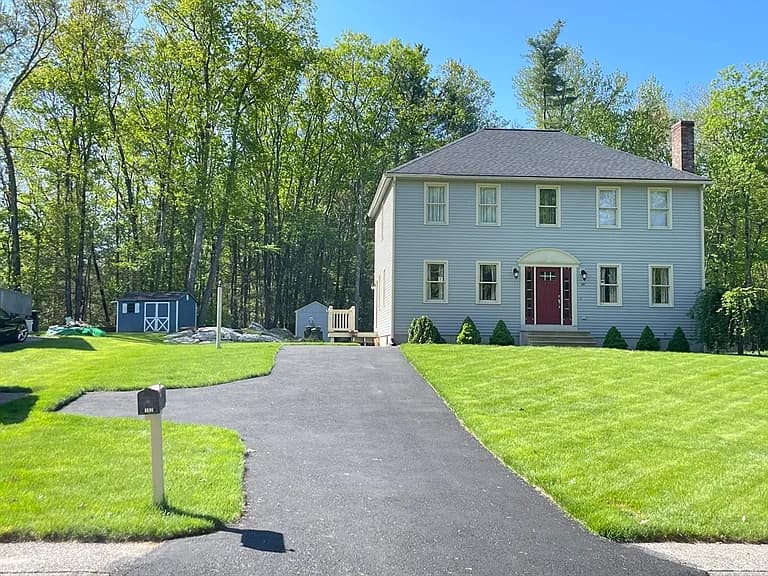
102 Maria Ave hit the market on Friday, February 27th. Listed at $429,000.
The first open house was scheduled for Saturday. I went with my clients. They walked through, looked at me, and said this is the one.
Most buyers’ agents in that situation tell their clients to “think about it overnight” or “wait and see what happens at Sunday’s open house.” That’s how you lose a property in a tight market. By Sunday evening, you’re competing with five other offers and the seller is writing a counter that adds $20,000 to the price.
We did the opposite. I called the listing agent that Saturday afternoon and submitted an offer with one specific condition: cancel the Sunday open house. If we’re going to write strong now, we want the property locked before the bidding war starts.
The listing agent ran it past their seller. The seller agreed. Sunday’s open house was cancelled. We were under agreement on Sunday, March 2nd. From the listing date to UAG: three days.
That’s the whole game in a tight market on a property like this. Speed and conviction. Strong offer, clean terms, take the property off the market before the rest of the buyer pool sees it.
The financing crisis: the ghost mortgage
And then the deal almost died.
During title work, we discovered a ghost mortgage on the property. A ghost mortgage — sometimes called a phantom or undischarged mortgage — is an old lien that was paid off long ago but never properly released from the public record. The underlying debt is satisfied; the paperwork to clear the title was never filed. The lien shows up in title searches anyway.
To a typical lender, a ghost mortgage looks like a title defect. They want clean title before they’ll fund a purchase loan. Most underwriters won’t touch a property with an outstanding lien on record, even one that’s technically resolved.
Our first lender pulled the financing. Then our second lender pulled it. The clock didn’t care.
The hotel weeks
The 30-day leaseback on the family’s previous home expired before Maria’s closing. We were waiting on financing that kept falling through. So they did what they had to do: they checked into a hotel.
For a family in transition, weeks in a hotel is a real cost. Restaurants instead of home meals. No driveway, no garage, kids out of the rhythm of their normal lives. It’s the kind of cost that makes most clients start questioning whether the deal is worth saving.
I told them what I could promise: I will not stop working this until we close, and I will not let you lose this house over a piece of paperwork from someone else’s old loan.
That’s an easy thing to say. Following through is the work.
Three lenders
We switched lenders three times before we found one willing to fund.
The first two were retail banks — the kind of lenders who run every loan through the same automated underwriting. Anything that doesn’t fit their model gets a clean rejection and they move on. A ghost mortgage isn’t in their playbook, so they decline.
The third lender was a portfolio shop that actually reads the file. They reviewed the title work, understood that the underlying debt was satisfied and the lien was technically clearable, and structured the loan with title insurance backing the cure. They funded.
The lesson: not every “no” from a lender is a real no. Some lenders just don’t want the work. The agent’s job is to know enough about the financing landscape to find the lender who will say yes — and to keep going through the no’s until they get there.
The math
We closed Tuesday, May 5th. $440,000.
That’s $11,000 over the $429,000 list price. The headline number sounds like overpaying. It’s not.
The neighborhood average for comparable homes in this Southbridge pocket runs about $464,000. We bought $24,000 below average. The clients paid above asking AND got the home below market. That’s what offer engineering looks like in a tight market: pay enough to take the property off the table immediately, but not so much that you’re overpaying once the dust settles.
Above asking does not equal overpaying. Where the asking price sits relative to true market value determines that. On 102 Maria, the asking price was sharp and the seller was motivated to take a clean fast offer. Paying $11K over locked the deal at a price still well below the comparable set.
What this story is actually about
This isn’t about closing speed. It isn’t about price. It’s about which agent you want repping you when the deal goes sideways — and they almost always do, in some form.
Some questions worth asking before you sign with an agent:
- Have they repped you before? Repeat clients are an agent’s real reputation. If a family hires the same person to sell their old home AND find their new one, that agent earned it.
- Will they negotiate offer structure, not just price? The cancel-the-Sunday-OH move is the kind of detail that locks deals. It only works if your agent thinks beyond just the offer number.
- Do they know financing well enough to fight for it? When the first lender pulled out on Maria, most agents would have asked the buyer to start over. We didn’t. Knowing which lender will say yes when the conventional shop says no is a real edge.
- Will they keep going when it gets uncomfortable? A family in a hotel waiting on a deal is uncomfortable for everyone, including the agent. The agents who close in those moments are different from the agents who don’t.
Why I’m sharing this
If you’re moving up, moving across town, or rolling proceeds from a sale into a purchase — the deal that looks straightforward on day one is almost never straightforward at closing. Pick the agent who will be there at the part that’s not on the brochure.
That’s the conversation worth having before you list, before you offer, and before the clock starts.